HRHC Website
Toggle sidebar

Carrie Nawrocki, Executive Director / Health Officer

Mosquito and Vector Control Program

Established in 1913 as the Hudson County Mosquito Extermination Commission, Hudson County has one of the oldest mosquito control programs in the country. In 1971 the program was transferred to the Hudson County Department of Public Resources. In 2005 the county empowered the Hudson Regional Health Commission with providing mosquito control services for the county. Today the program is known as the Hudson Regional Mosquito and Vector Control Program.

Although primarily urban, there are a surprising variety of mosquito habitats in Hudson County. The county is a peninsula bounded by Newark Bay and the Passaic and Hackensack Rivers on the west, by the Hudson River and New York Harbor on the east, by the Kill Van Kull on the south and by Bergen County on the north. The Hackensack River bisects the county and is surrounded by a 10,000 acre wetland tidal marsh known as the Hackensack Meadowlands. As a result, the highest population density in the state is positioned in a county in which 25% of the total physical area is either permanently or periodically under water. Tidal wetlands provide ideal conditions for Aedes sollicitans. Permanent pockets within these wetlands produce Culex salinarius in abundance. Inland marshes produce large numbers of Aedes vexans. In addition, neglected drainage ditches and culverts give rise to expansive populations of Culex pipiens. The proximity of so many people to such expansive acreage of water capable of mosquito production validates the need for a comprehensive mosquito control program.
HRHC Mosquito Logo
About Mosquito Program
  • Protect the citizens and visitors of Hudson County from mosquito-borne diseases such as West Nile Virus

  • Minimize the negative impact of nuisance mosquitoes on outdoor recreational activities.

  • Utilize integrated mosquito management principles to provide a comprehensive program that is operationally effective, environmentally sensitive, and fiscally responsible.
HRHC Mosquito Logo
Mosquito Biology

Mosquitoes are small flies that belong to the family Culicidae. There are approximately 3,500 species of mosquitoes worldwide, with about 176 species found in the United States. Mosquitoes go through four life stages: egg, larva, pupa, and adult. The first three stages occur in water, while the adult stage is terrestrial.

Approximately 30 species of mosquitoes occur in Hudson County. Some mosquitoes appear as early as March, but the peak mosquito season is from June through August. Mosquito populations are greatly influenced by weather with hot wet conditions being optimal for mosquito production. While not all mosquitoes bite humans, many do. Our job is to reduce the numbers of mosquitoes, not only to improve the comfort of the citizens of Hudson County, but to protect their health as well.

HRHC Mosquito Logo
Mosquito Prevention at Home

We can only do so much to prevent mosquitoes and the diseases that they transmit. As citizens of Hudson County, you can help reduce mosquitoes around the home. Taking certain precautions will help prevent your exposure to mosquito bites and the diseases that mosquitoes transmit.

HRHC Mosquito Logo
Spotted Lanternfly and Ticks
Spotted Lanternfly
Learn More

Learn how to deal with the Spotted Lanternfly and how to report sightings.

If you encounter a tick in New Jersey, you can send it to us and we will test it for disease-causing pathogens for free! With your help, we will learn where and when people are exposed to ticks and tick-borne diseases.

The ticks are out. Learn how to protect yourself.

HRHC Mosquito Logo
FAQs
Call the DEP hotline: 1-888 NO NJ WNV (1-888-666-5968) to find the number for your county agency.
This question is impossible to answer. Mosquito abundance is dependent upon environmental factors such as temperature and rainfall. Unless you can accurately predict these factors for the entire season, no one can forecast mosquito abundance.
Most mosquito traps use some sort of attractant to lure mosquitoes into them. This may actually attract more mosquitoes to your yard than before. While some traps collect large numbers of mosquitoes, it may not be enough to cause a noticeable reduction in the mosquito population. See the Information page to find out ways to reduce mosquitoes around your home.
Very small. First, you must be bitten by an infective mosquito. Only a small percentage of mosquitoes are infective. Then, even if you are exposed to the virus, there is only a slight chance that you will get sick from the virus. If you do get sick, less than 1% of infected people will develop severe illness.
Our pesticides are reviewed and registered by the US Environmental Protection Agency and the NJ Department of Agriculture. When used appropriately, these products have been demonstrated to not cause any significant environmental impacts or non-target effects. All of our products are less toxic than the salt in your food or the caffeine in your coffee. Pesticide labels and Safety Data Sheets are available upon request.
Contact Mosquito Department

For all service requests, please call the number below so an inspector can be notified immediately. DO NOT EMAIL.

Our Location

595 County Avenue,
Building 1
Secaucus, NJ 07094

Contact Info

201-223-1133

201-223-1133

Follow us on X for Spray Schedules, West Nile alerts, and other important information.

Mosquito Logo
Our Program
Larval Surveillance
Larval Surveillance

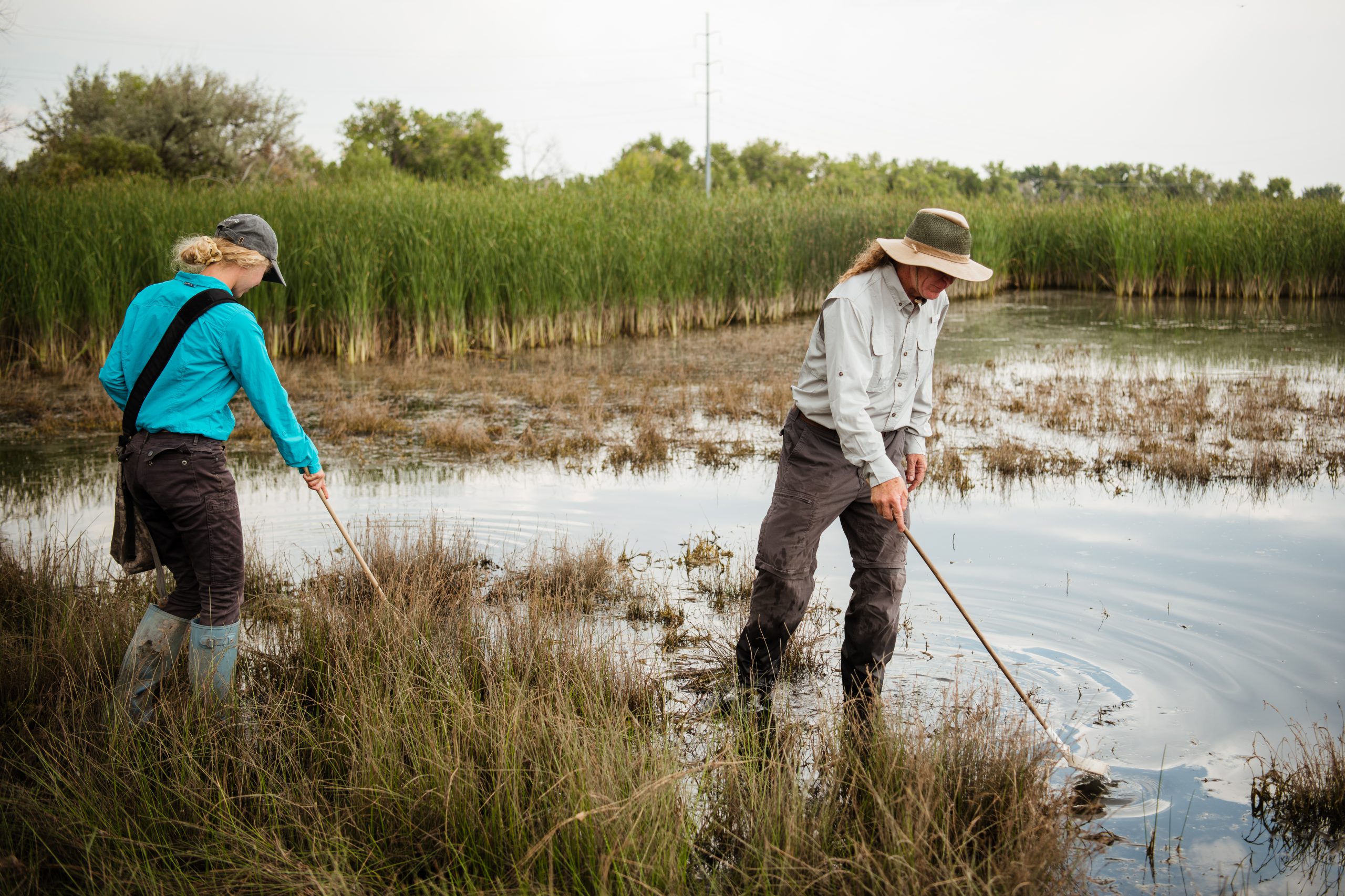
Our inspectors routinely check over 250 sites in Hudson County for mosquito larvae. When larvae are found, the site is treated to stop mosquitoes before they become adults.
Adult Surveillance
Adult Surveillance

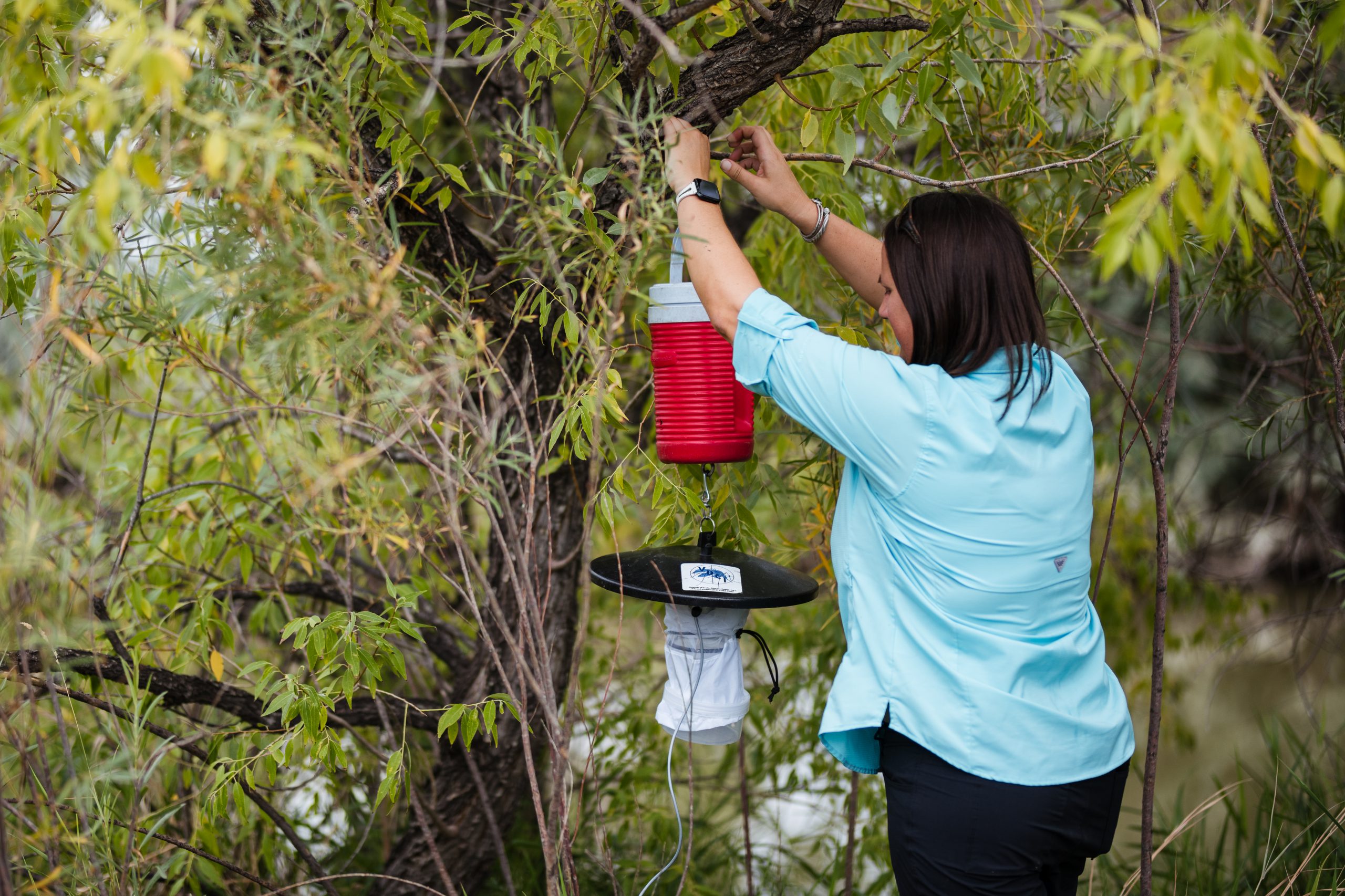
We maintain mosquito traps across the county to monitor species and population levels. This helps determine when adult mosquito control is necessary.
Disease Surveillance

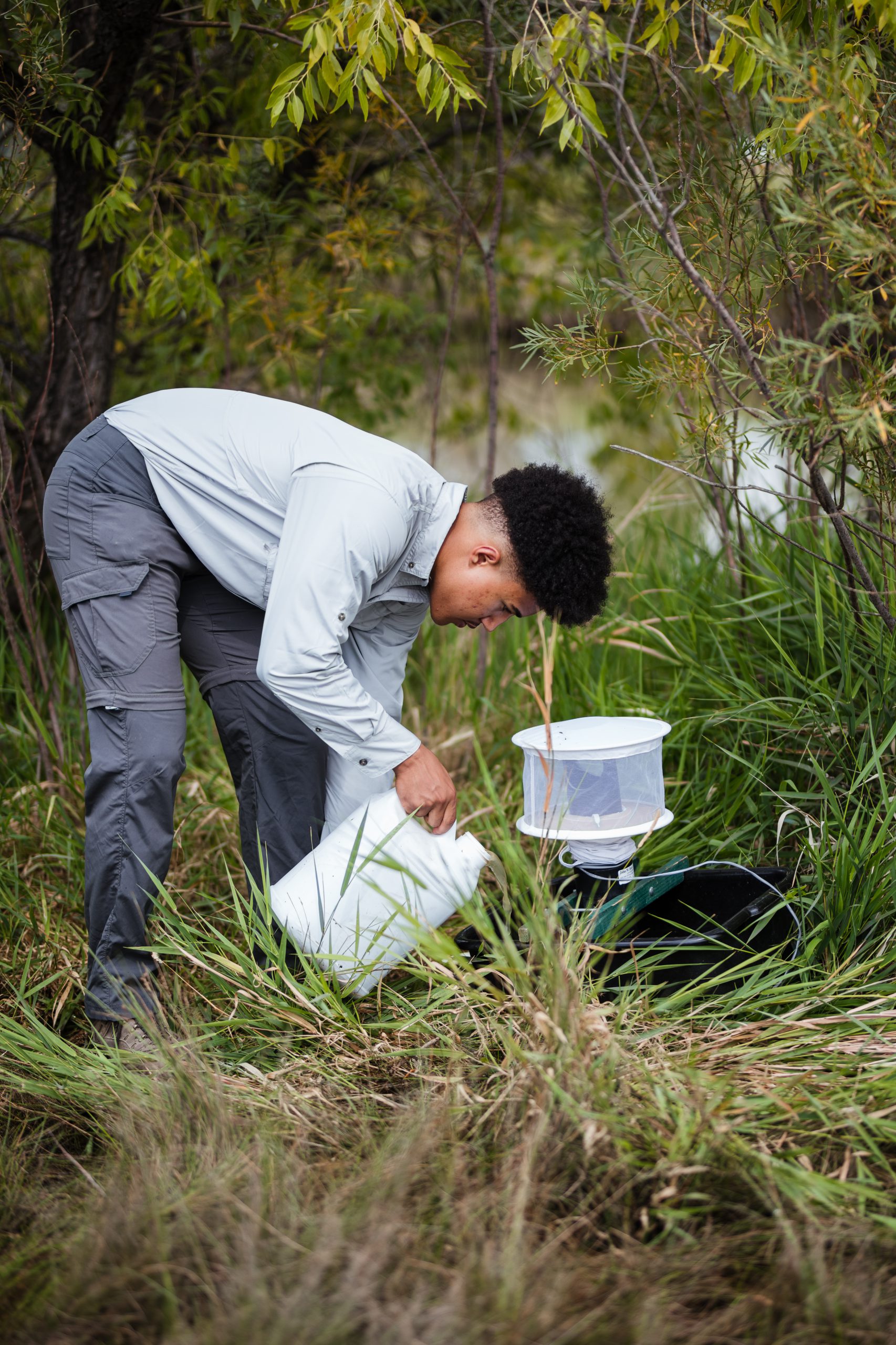
We monitor for diseases like West Nile virus and Eastern Equine Encephalitis by testing mosquitoes collected from specialized traps.
Larval Control
Larval Control

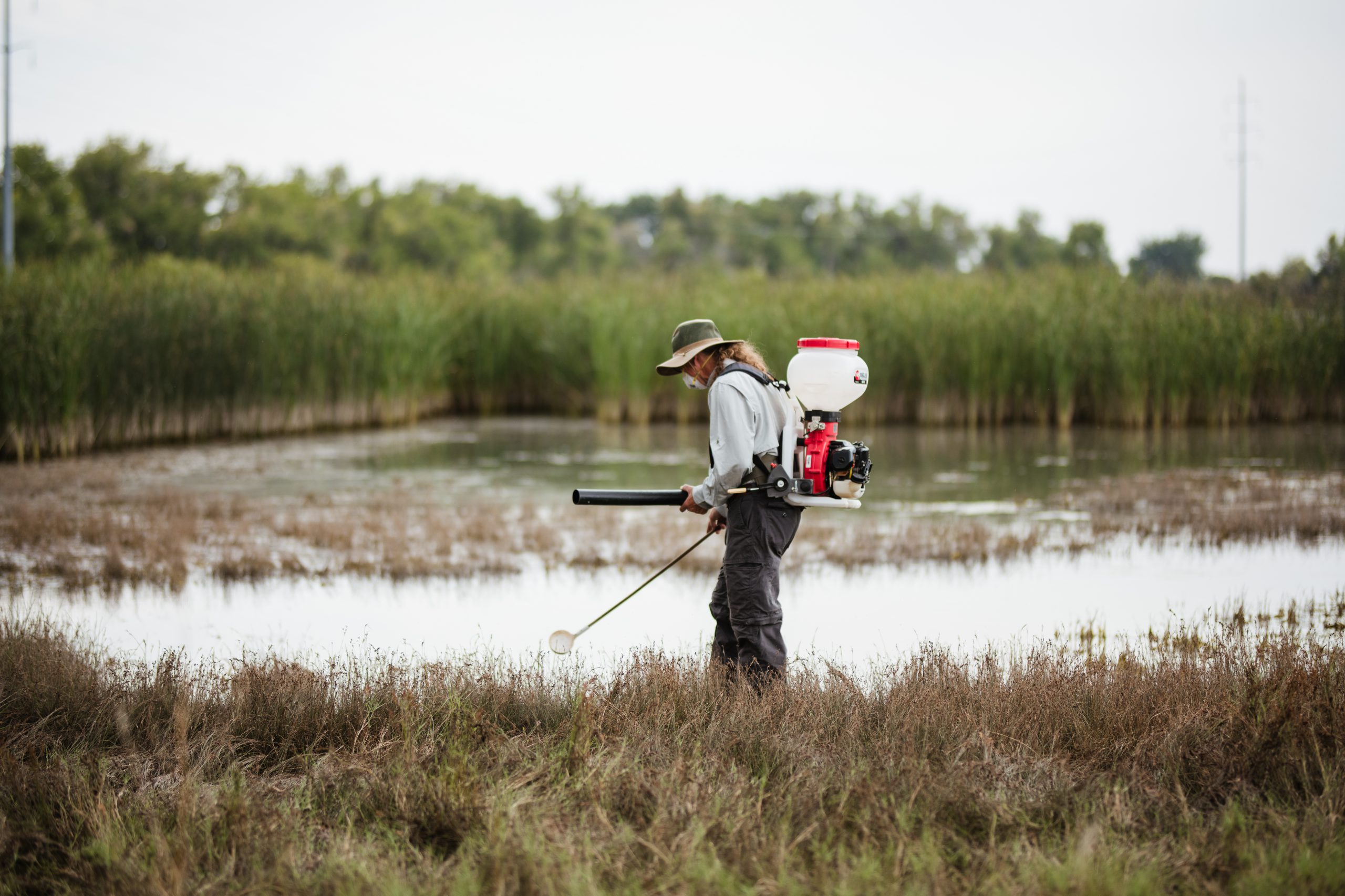
Treating standing water sources allows us to eliminate thousands of mosquitoes before they mature, using low-impact products like bacteria and growth regulators.
Adult Control
Adult Control

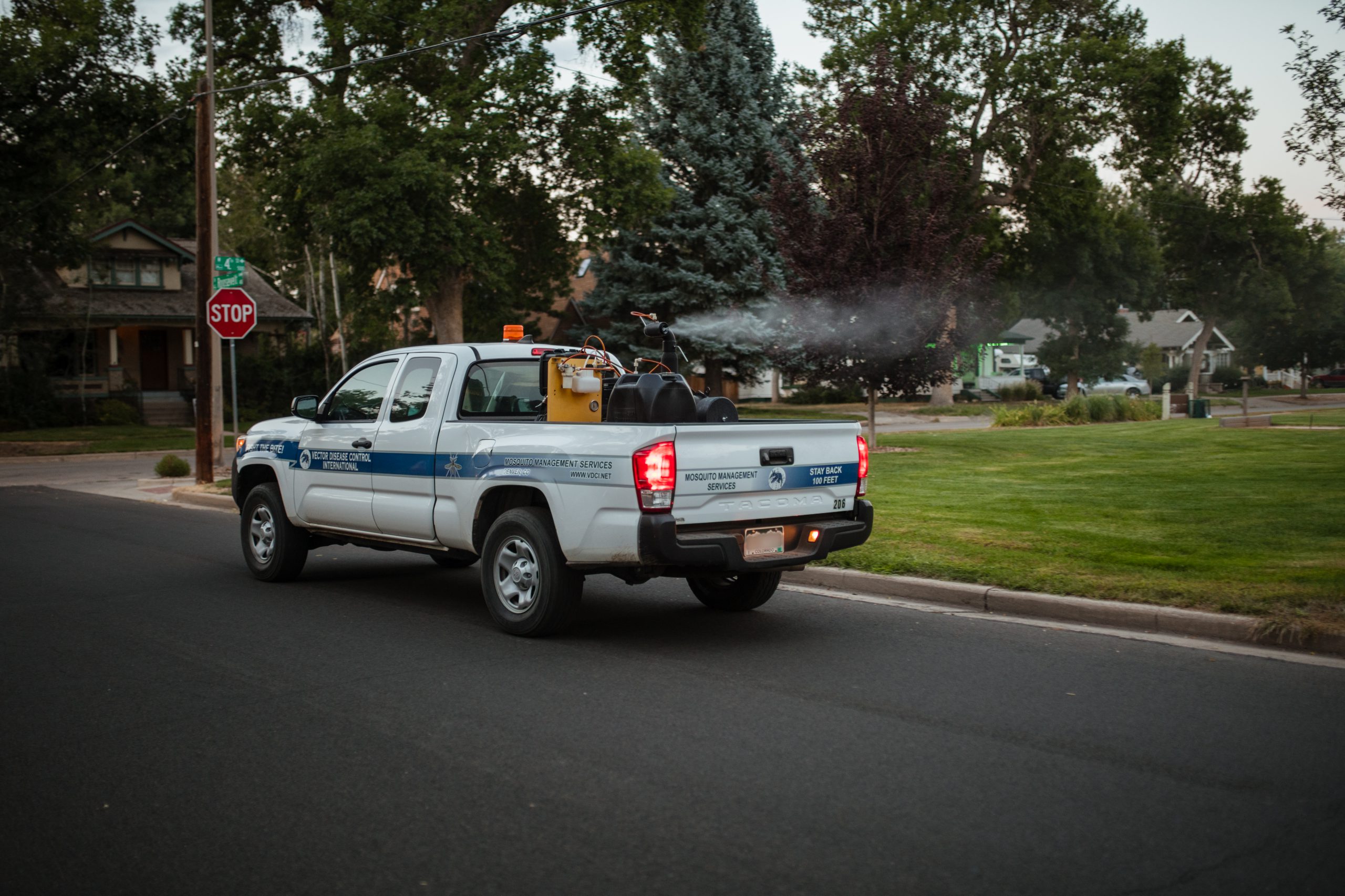
When mosquito populations surge or disease risk increases, we apply targeted adult control treatments using short-lived, low-toxicity products.
Biocontrol
Biocontrol

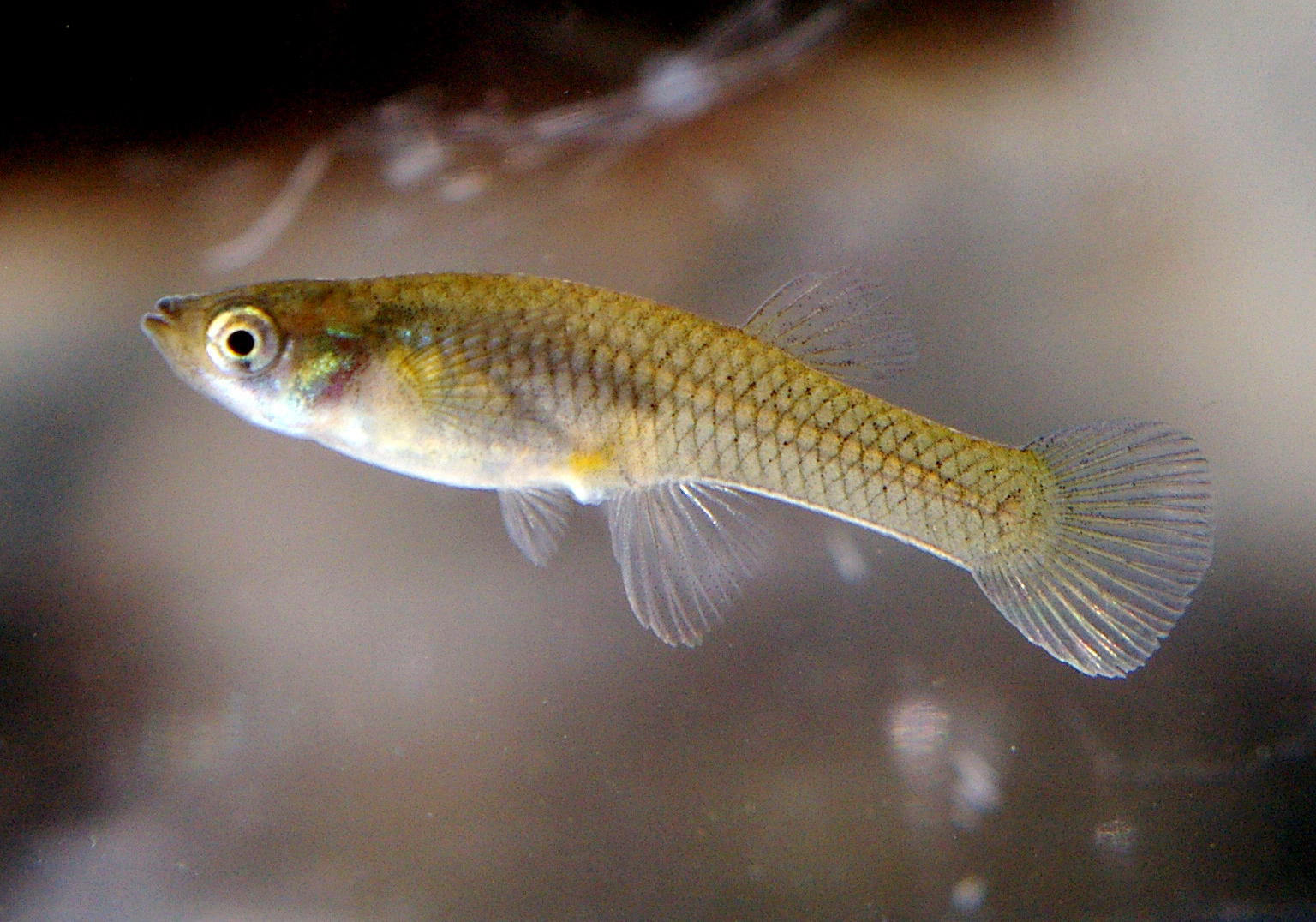
Natural predators like killifish and mosquito fish (Gambusia affinis) are used in some waters to reduce mosquito larvae without pesticides.
Tire Removal
Tire Removal

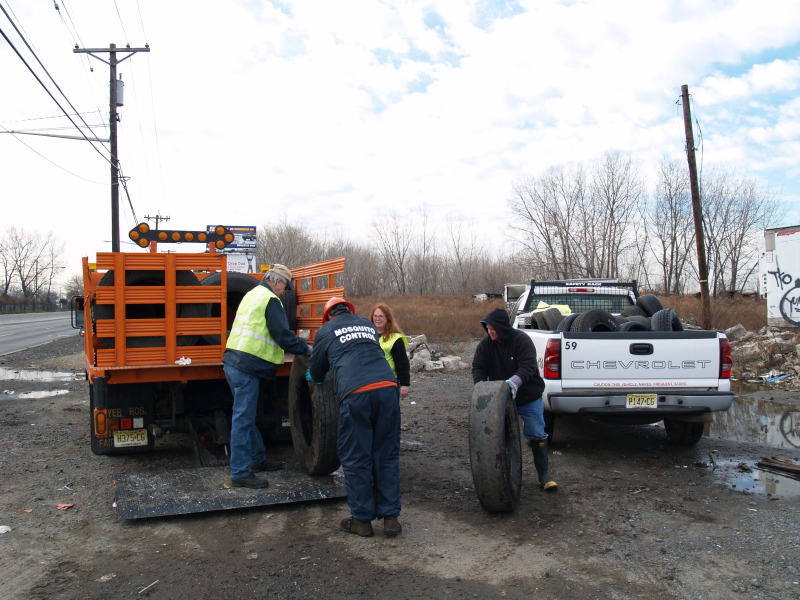
Illegally dumped tires collect water and breed mosquitoes. We remove and properly dispose of tires throughout the county, especially during the off season.
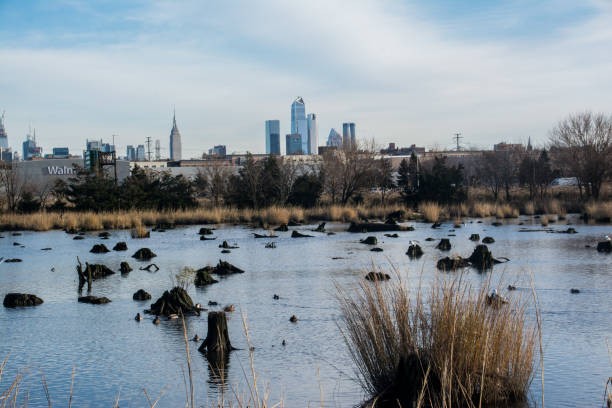
Water Management
Water Management

Managing land and drainage in chronic mosquito areas helps prevent standing water and reduces long-term mosquito production.
Service Requests
Service Requests

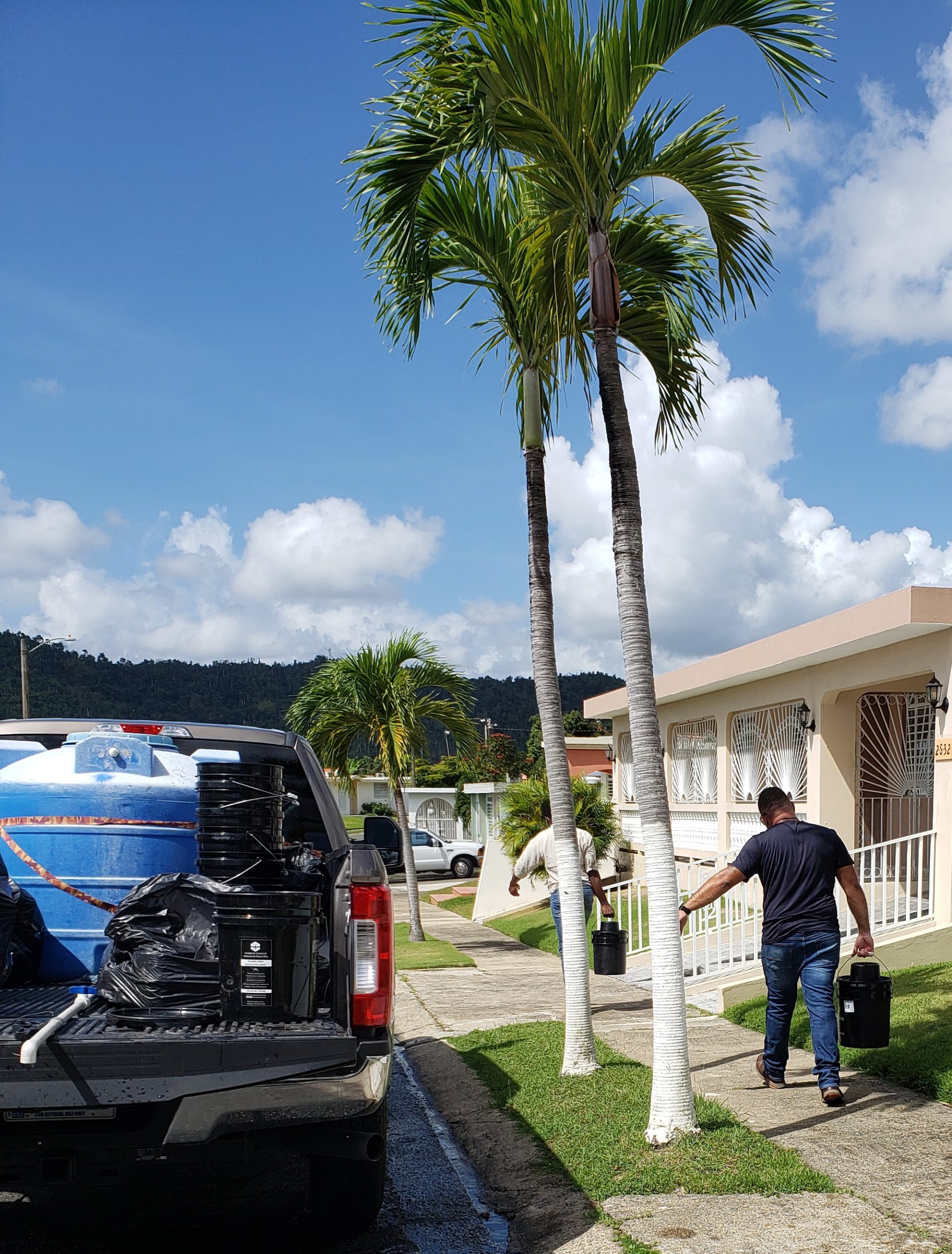
Residents help us locate mosquito problems. If you’re experiencing issues in Hudson County, call (201) 223-1133 to request service.

Mosquito Logo
Mosquito Biology

Mosquitoes are more than just a nuisance. Worldwide, mosquitoes cause more human deaths every year than any other animal. Over half a million people die each year from Malaria alone, mostly children. Mosquitoes and the diseases they transmit have conquered armies, prevented development in some countries, and caused enormous financial loss. In the United States mosquitoes transmit several diseases such as West Nile virus, Eastern equine encephalitis, Saint Louis encephalitis, Lacrosse encephalitis, and dog heartworm.

Approximately 30 species of mosquitoes occur in Hudson County. Some mosquitoes appear as early as March, but the peak mosquito season is from June through August. Mosquito populations are greatly influenced by weather with hot wet conditions being optimal for mosquito production. While not all mosquitoes bite humans, many do. Our job is to reduce the numbers of mosquitoes, not only to improve the comfort of the citizens of Hudson County, but to protect their health as well.

Mosquito Life Cycle

Mosquitoes, like all flies, undergo a complete change during their development. The adult females lay eggs on water or in areas that will flood. The eggs soon hatch into larvae. The larvae develop into pupae and the adults emerge from these pupae. All stages are aquatic except the adult. The complete life cycle can take place in about a week under optimal conditions, or may take several months depending upon the species and environmental conditions.

Mosquito Eggs
Eggs

After the female mosquitoes have taken a blood meal, they use the blood to develop their eggs. Females can lay several hundred eggs at a time. The eggs are about ½ mm long and dark brown or black. Some mosquitoes glue their eggs together in a raft on the surface of the water. Others, lay their eggs individually on the surface of the water. The eggs of these permanent water mosquitoes usually hatch in 1-3 days depending upon temperature. Floodwater mosquitoes lay their eggs on moist soil. These eggs will remain dormant and will only hatch when they come in contact with water from rain, melting snow, or other floodwater.

Mosquito Larvae
Larvae

When the eggs hatch, larvae emerge. The larvae live in the water. Most larvae suspend themselves beneath the surface of the water and breathe air through a tube at the tip of the abdomen. There they feed on microorganisms and particulates as they float by. As the larvae grow they shed their skin four times, growing larger each time, before becoming pupae. The duration of the larval period depends upon the species and the water temperature. Under optimal conditions this can take only a few days.

Mosquito Pupae
Pupae

After the last larval molt the mosquito becomes a pupa. Mosquito pupae live in the water and breathe air from the surface of the water through a pair of tubes on their backs. Although the pupae do not eat, they are very mobile and can move through the water with a flip of their abdomen. During this period the larval tissues change into the adult tissues. The pupal stage lasts only a few days, after which the adult emerges from the pupal case on the surface of the water.

Mosquito Adult
Adult

When the mosquitoes emerge from the pupae, their bodies are soft and they are unable to fly. The mosquitoes rest as their bodies harden. Within 3-5 days the mosquitoes mate. Females only need to mate once. After mating, the female searches for a blood meal. Only the female mosquitoes bite. The blood is used to develop her eggs, not for energy. It is during this blood feeding that mosquitoes acquire the diseases they transmit. Both male and female mosquitoes feed on nectar for energy.

Not all mosquitoes bite people; different mosquitoes prefer to feed on different animals. After taking a blood meal, females find a shaded place to rest, digest the blood, and develop their eggs. Within 3-5 days she is ready to lay her eggs. Once she had laid all of her eggs, she seeks out another blood meal and the process starts over. One female can usually lay 1-3 batches of eggs in her lifetime.

Related Links

There are many other insects that are often mistaken for mosquitoes. Check the link below to make sure you are not dealing with one of these look-alikes.

Mosquito Logo
Mosquito Prevention at Home

Mosquitoes are more than just a nuisance. Worldwide, mosquitoes cause more human deaths every year than any other animal. Over half a million people die each year from Malaria alone, mostly children. Mosquitoes and the diseases they transmit have conquered armies, prevented development in some countries, and caused enormous financial loss. In the United States mosquitoes transmit several diseases such as West Nile virus, Eastern equine encephalitis, Saint Louis encephalitis, Lacrosse encephalitis, and dog heartworm.

Approximately 30 species of mosquitoes occur in Hudson County. Some mosquitoes appear as early as March, but the peak mosquito season is from June through August. Mosquito populations are greatly influenced by weather with hot wet conditions being optimal for mosquito production. While not all mosquitoes bite humans, many do. Our job is to reduce the numbers of mosquitoes, not only to improve the comfort of the citizens of Hudson County, but to protect their health as well.

Preventing Mosquito Bites

We can only do so much to prevent mosquitoes and the diseases that they transmit. As citizens of Hudson County, you can help reduce mosquitoes around the home. Taking certain precautions will help prevent your exposure to mosquito bites and the diseases that mosquitoes transmit.

Use Insect Repellent
Some insect repellents are extremely effective at preventing mosquito bites and, when used correctly, do not pose a health concern. Repellents containing DEET, Picaridin or IR3535 have been shown to be the most effective. See the links above for additional information.

War Protective Clothing
Cover exposed skin by wearing long sleeves, socks, and pants. Wear heavy clothing if possible, as mosquitoes can bite through some thin clothing. Also, treating clothing with a repellent such as permethrin will provide additional protection.

Avoid Mosquitoes
Although a few species of mosquitoes will bite during the daytime, most mosquitoes are active between dusk and dawn. Peak hours are from just before dark until 2-3 hours after dark. Try to avoid the outdoors during those times. During the daytime, mosquitoes rest in humid shaded areas. Avoid areas such as woodlands, marshes, wetlands, etc., whenever possible.

Eliminating Mosquitos Around the Home
Blog Image
Bird Baths

Bird baths are often forgotten about. The small amount of water in a bird bath will quickly stagnate. Change the water in bird baths regularly to keep it clean. Inspect it regularly and dump out the water if mosquito larvae are found.

Blog Image
Containers

Eliminate or invert all containers which hold water. Or, punch holes in the bottom to keep them from holding water.

Blog Image
Decorative Ponds

Keep the water clean to prevent mosquito breeding. Installing a pump or fountain to agitate the water will discourage mosquitoes from laying eggs there. Drain them when not in use.

Blog Image
Faucets

Leaky faucets can create a pool of water in your yard. Fix them so they do not leak, don't just place a bucket under them.

Blog Image
Flexible Downspouts

Often overlooked, flexible downspouts hold water in the corrugations and provide ample habitat for mosquitoes to breed.

Blog Image
Gutters

Clogged gutters hold a lot of organic matter and water. Keep gutters clean so that water flows freely. Be sure that the water that flows out of your downspout does not pool around the base of your house.

Blog Image
Low Areas in Yard

Just like a container, low spots in the yard which hold water for more than a few days will be sources of mosquito production. Fill low spots, or improve drainage.

Blog Image
Swimming Pools

Neglected swimming pools are a common source of mosquito production. Organic debris in the pool attracts mosquitoes. Dirty pools can produce huge numbers of mosquitoes. Keep pool water clean and clear to prevent mosquito breeding. When the pool is not in use, drain it or cover it.

Blog Image
Tarps

Make sure that tarps are pulled taut to avoid low spots which can hold water.

Blog Image
Tires

Properly discard any old tires around your home. Old tires hold water indefinitely. Certain species of mosquitoes prefer to lay their eggs in tires! If you cannot discard your old tires, keep them indoors or covered so that they do not collect water.

Blog Image
Tree Holes

Tree holes are simply natural containers. Fill in tree holes to keep them from holding water.

Blog Image
Window Screen

Install or repair all window and door screens to prevent mosquitoes from entering the home.

Mobile Site Request

Fill and submit this form if you are interested in Hudson Regional Health Commission bringing a vaccination clinic to your organization or business.

Note that the information asked below must pertain to the facility where the vaccination will take place. The facility must be located in Hudson County.

First Name*
Last Name*
Organization Name*
Address*
City*
State*
Zip Code*
Email Address*
Phone Number*
Amount of Vaccines*
Requested Date*
Vaccines*
COVID-19 (Adults)
Flu (Adults)
Monkey Pox (Adults)
Vaccines for Children (VFC)
I agree to HRHC reaching out to me
Hudson Regional Health Commission
Social Media
HRHC Apps

If you have any trouble accessing information contained within this website, please contact Emiliano Caballero at 201-223-1133 or inforequest@hudsonregional.gov.